Hill Cart Chronicles–Post #1
As part of my ongoing research into Siliguri’s past and present, I recently visited Siliguri Town Station—the original railhead that once marked the beginning of this town’s story. Accompanying me was Raj Basu, or Rajda, as many of us fondly call him. A phenomenal figure in the field of tourism and conservation, he’s been my port of call since my days at The Telegraph, always ready with deep insights into the region’s layered history.
A Station Where Siliguri Began
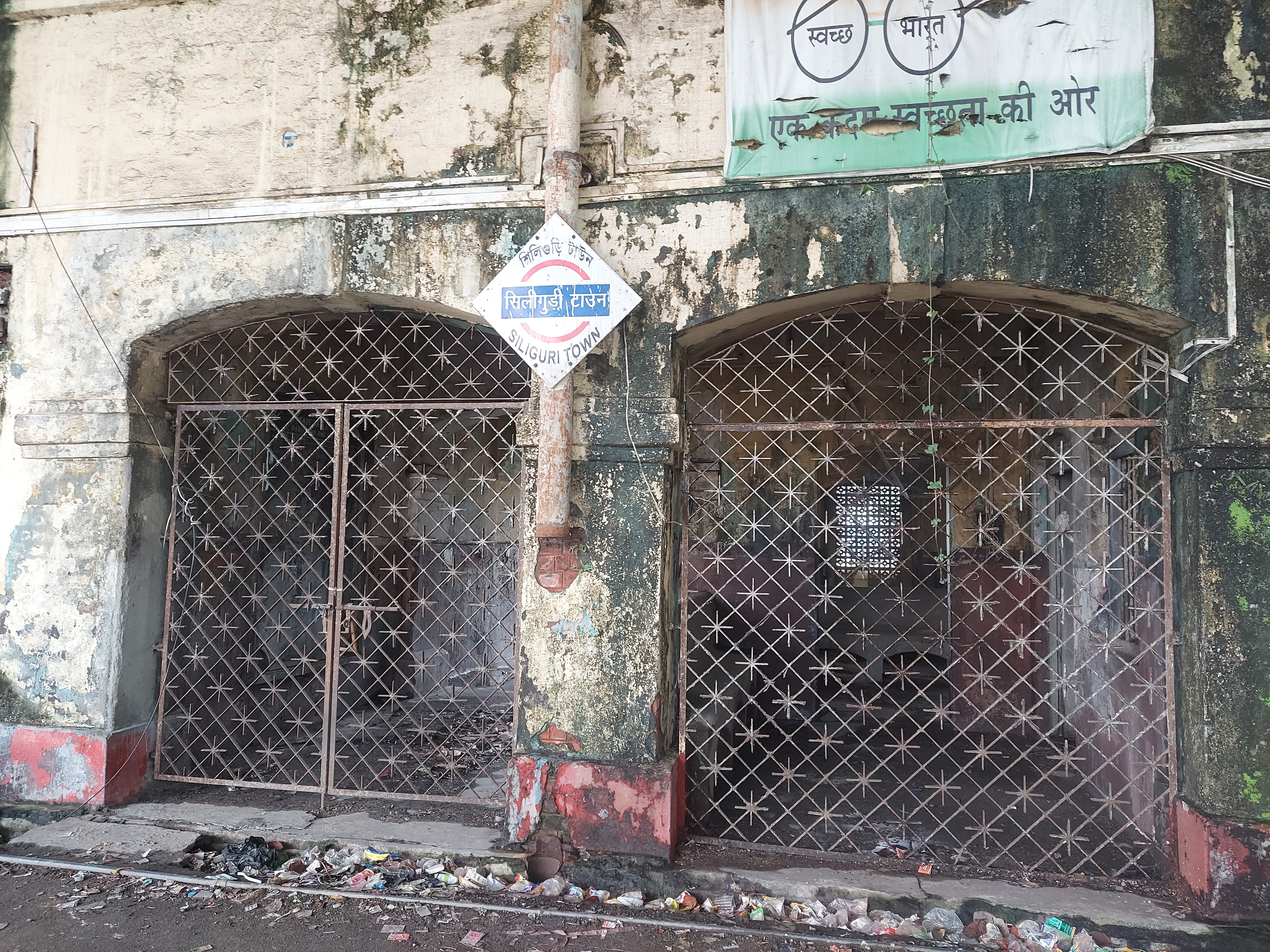
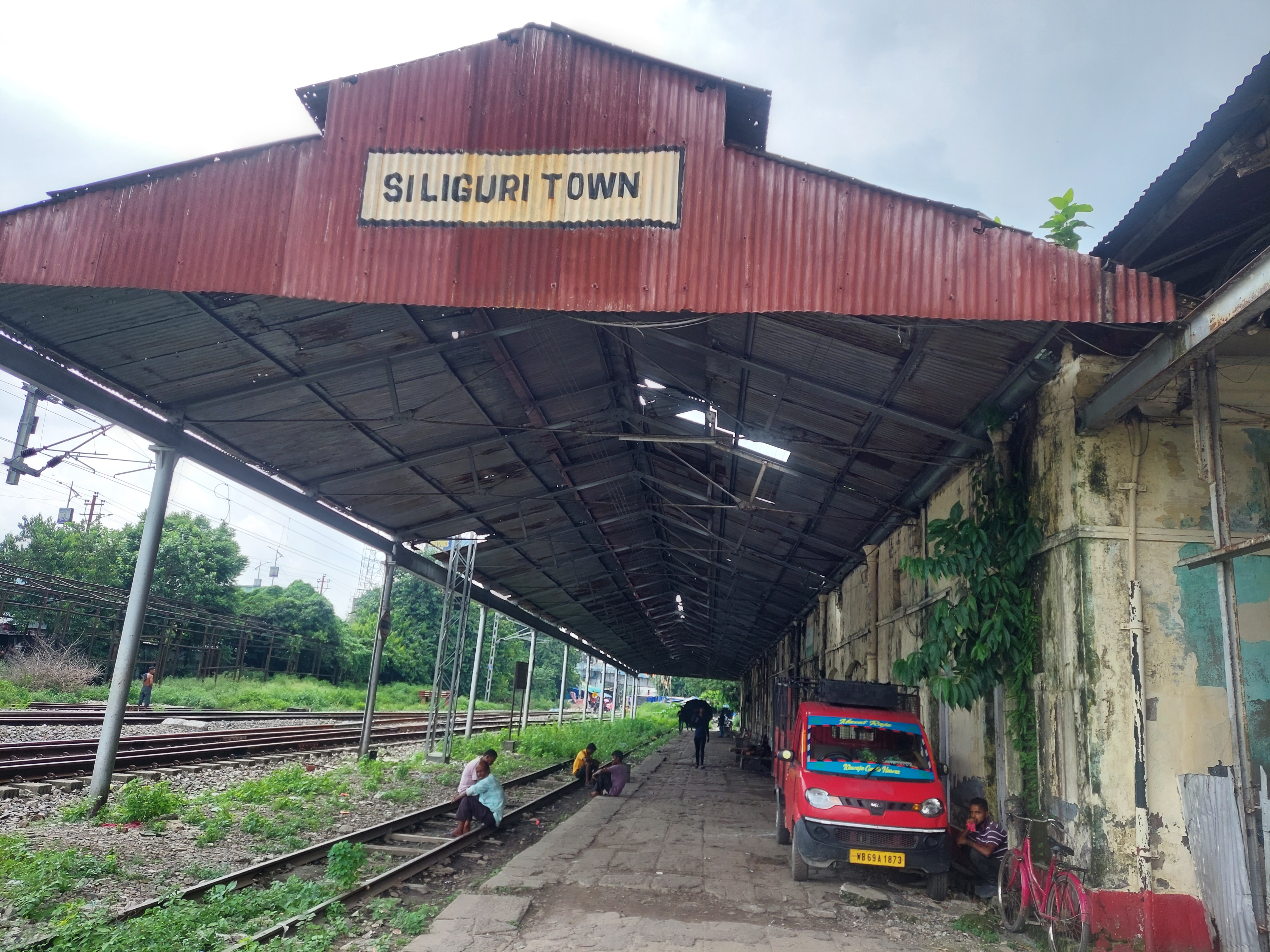
Siliguri Town Station is the kind of place you’re not likely to find unless you know about it. Tucked away in the older part of the town, it sits beside a flyover—technically a rail-over bridge—hemmed in by narrow lanes, bustling shops and eager hawkers, and the usual traffic snarls that define this part of Siliguri.
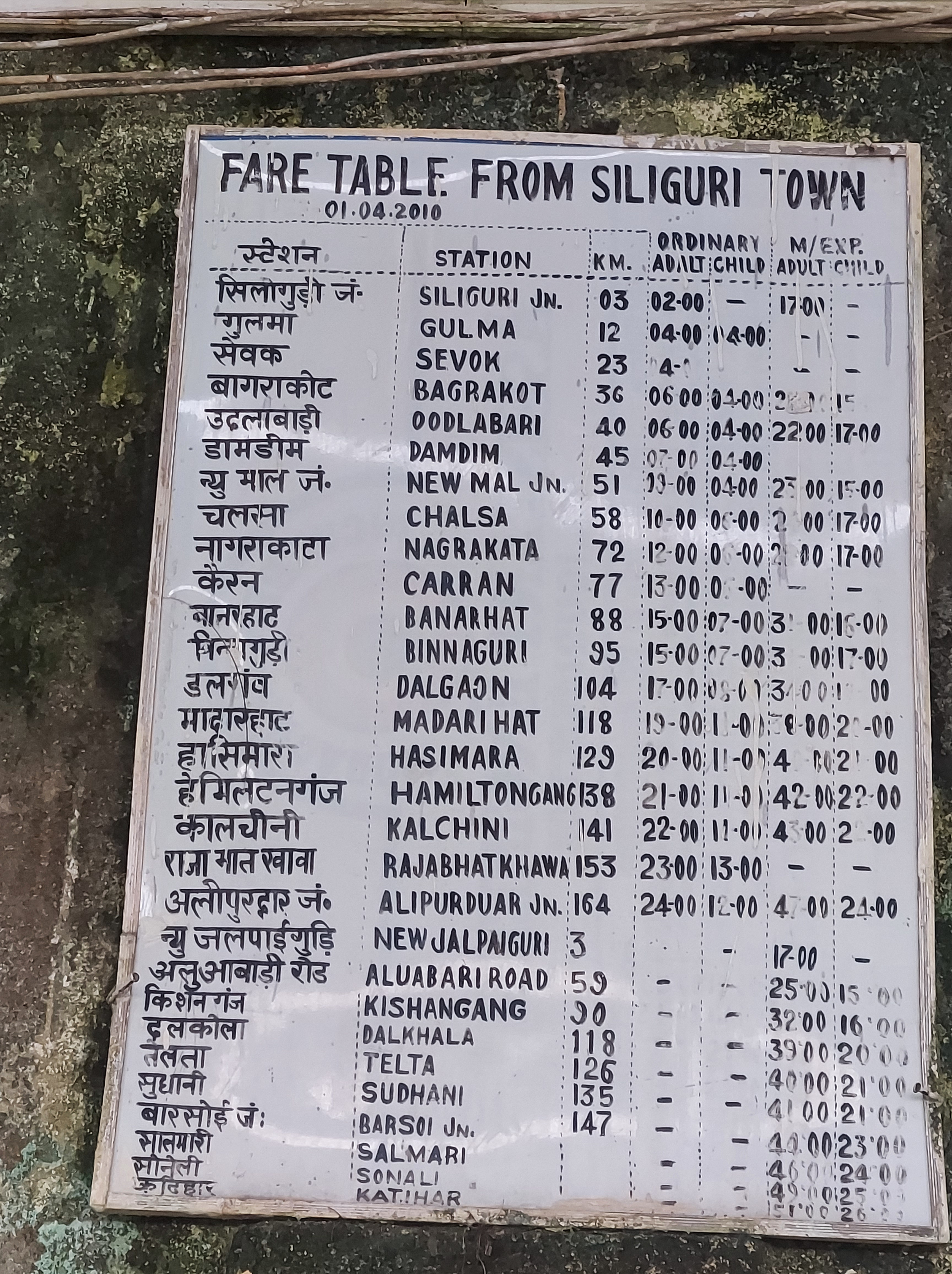
Rajda walked me through the station premises, pointing out remnants of its significance–some visible, many fading. Siliguri Town Station, part of the Unesco-listed Darjeeling Himalayan Railway, was established in 1880. It once served as the pulse point of a growing town. Tea from the plantations, timber from nearby forests, and food supplies from far and wide arrived here before being transported elsewhere. It was also the disembarking point for travellers heading to the hills—including luminaries like Rabindranath Tagore.
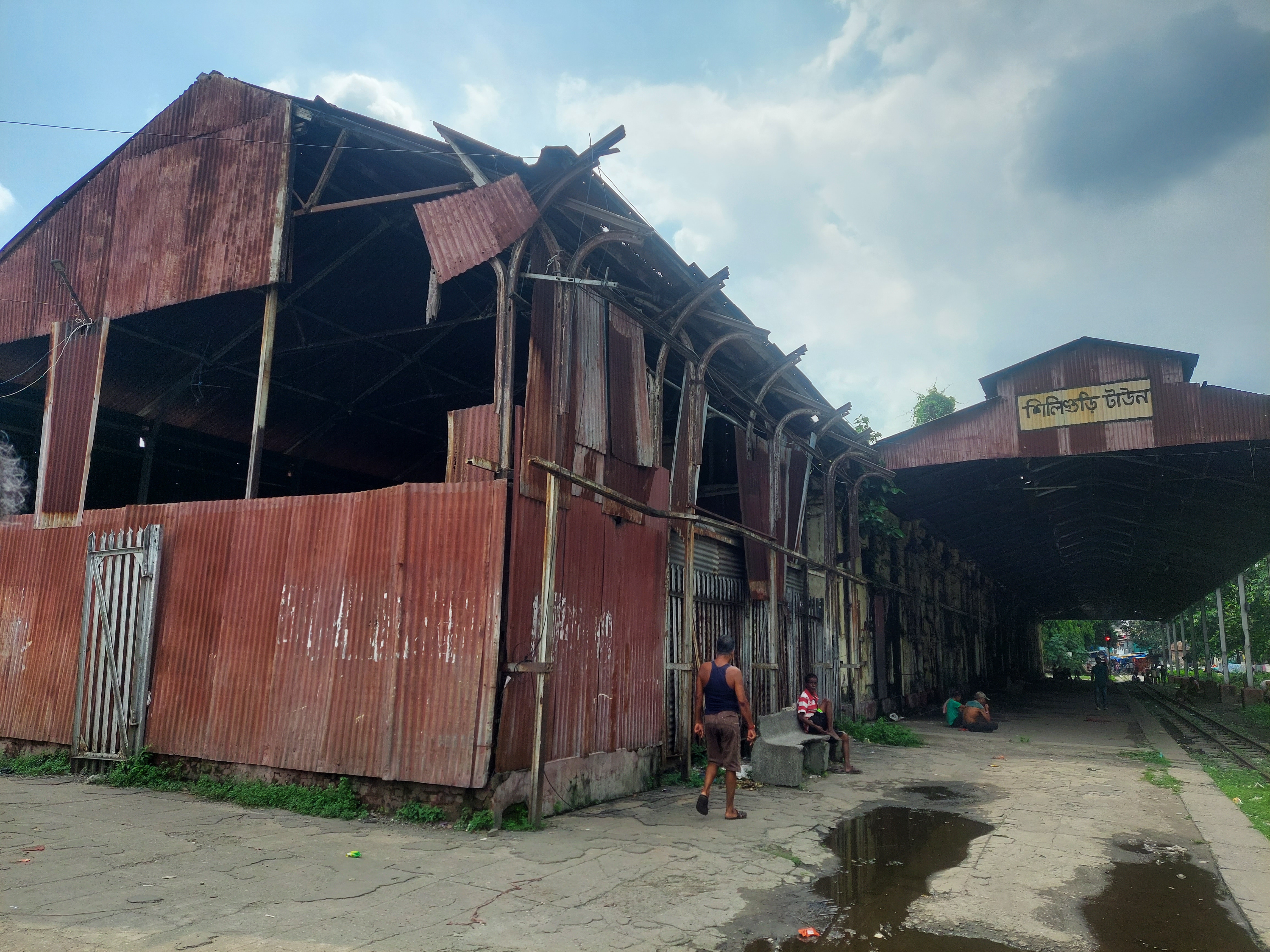
The station’s importance diminished with the emergence of Siliguri Junction and later New Jalpaiguri. As the town expanded rapidly, this once-vital hub was quietly left behind. While trains still pass through, the station no longer holds the stature it once did.
What Remains
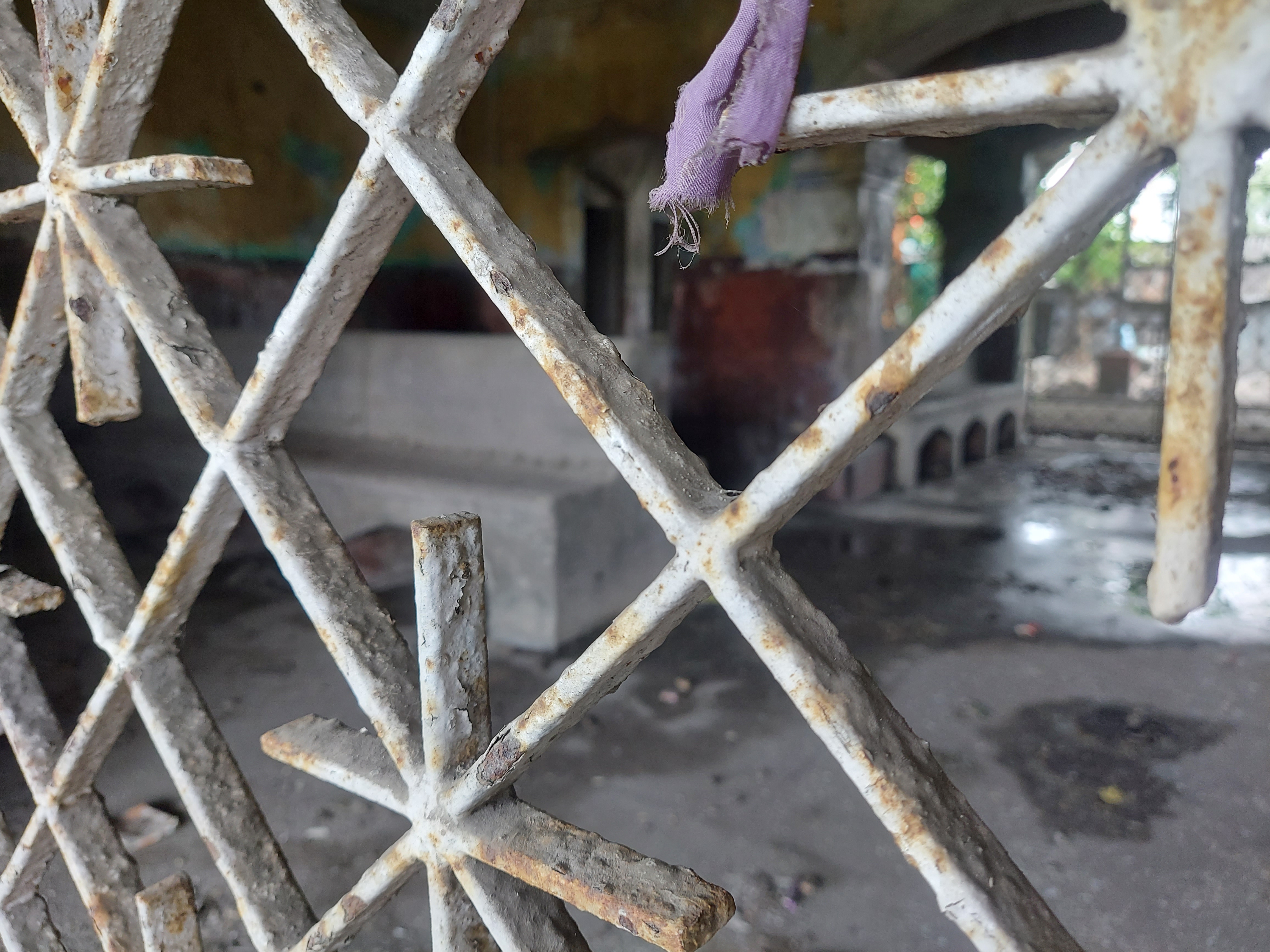
What’s left today is heartbreaking. The original buildings are in a state of disrepair — abandoned, stained, and silent. The air is thick with neglect. Garbage litters the platforms, and the stench of urine greets visitors. Rajda pointed out where a hand-pulled elevator once operated, and described how travellers once sipped tea and nibbled on toast in the cafeteria. All of that is gone now, swallowed by time and apathy.
Why Memory Matters
We can’t afford to let such pieces of history crumble away. A society that forgets its past risks losing more than just old buildings; it loses identity, memory, and continuity. The surrounding areas too—from the old godowns to the bustling onion and potato markets—are fragments of a heritage that’s still alive, even if barely acknowledged. These places deserve care and attention.
I don’t claim to be an expert on urban conservation. But I’ve seen how, in other parts of the world, similar relics are treated with thoughtfulness and imagination. In Berlin, for example, some of the abandoned railway yards have been repurposed into beautiful public spaces. I remember visiting one in Schöneberg—a former rail yard now turned into a lively space for families, with gardens, walking paths, small cafés, and exhibits that acknowledge the site’s past.
A Vision for Siliguri
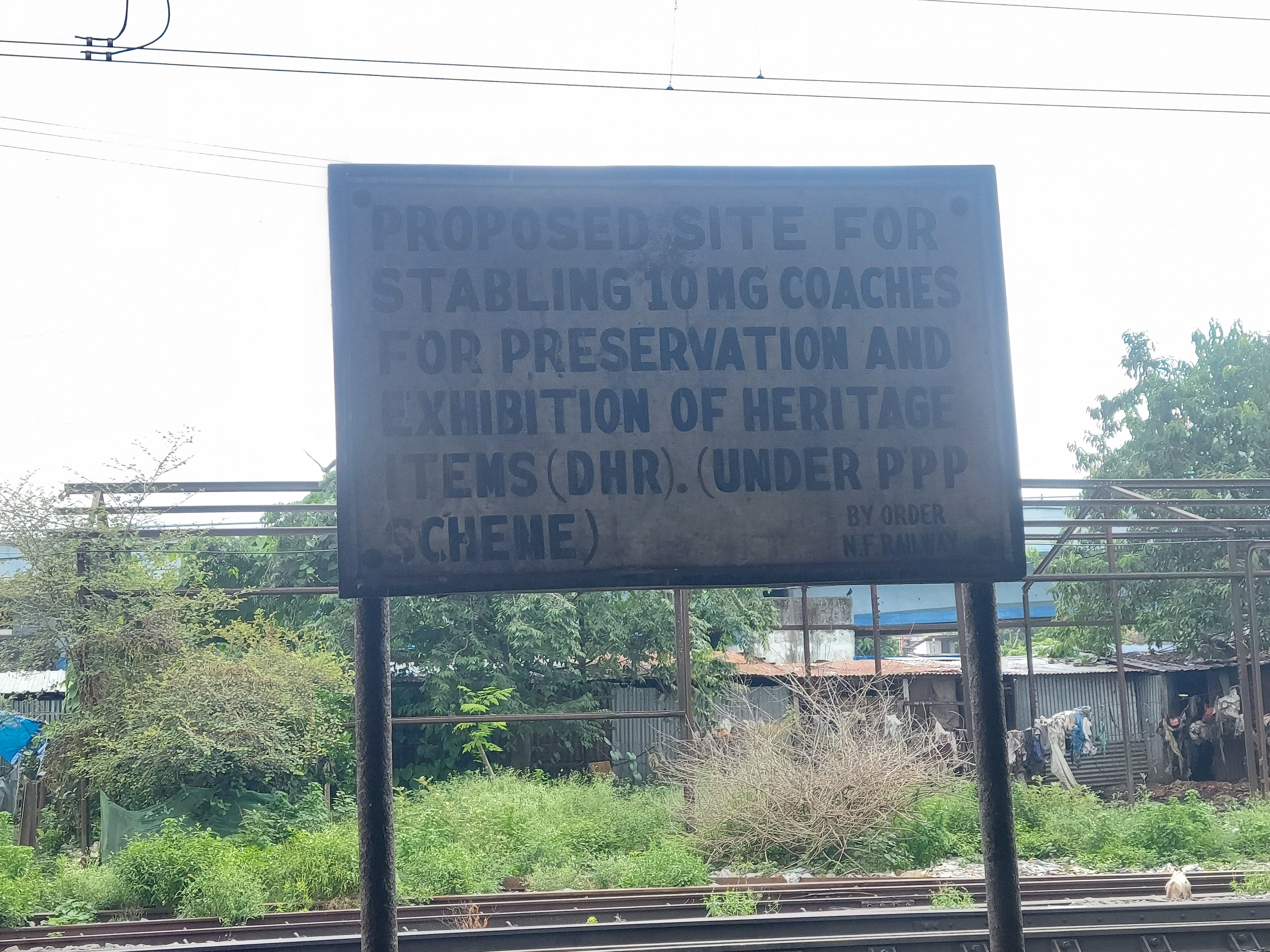
We may not follow the same blueprint, but surely, we can think of something that works for Siliguri—something that reflects our history, our needs, and our spirit. The Town Station, located in the heart of a bustling part of the city, could be reimagined as a space that brings people together. Imagine gardens, play areas for children, souvenir shops, a small heritage museum, guided tours. A place where stories are remembered, not erased.
This matters not just for nostalgia, but for the future. How else will our children feel connected to the city they grow up in? These links to the past shape who we are.
Even the old markets that still bustle nearby carry the rhythm of a different time. They’ve weathered the arrival of malls and high-rises. Their survival tells us that all is not lost—but time is running out.

 Anuradha Sharma